
E-signature legality · Singapore
Are electronic signatures legal in Singapore?
Reviewed
In short
Yes, generally. Singapore's Electronic Transactions Act 2010 says a legal requirement for a signature is met by an electronic method that identifies the person and shows their intent and is reliable enough for the purpose. The Act gives secure electronic signatures stronger presumptions. It doesn't apply to wills, most trusts and powers of attorney, or contracts for the sale or conveyance of immovable property.
The law
The law that applies
- 2010Electronic Transactions Act 2010 (2020 Revised Edition)
s. 8: electronic signatures satisfy signature requirements; ss. 18–19: secure electronic signatures and presumptions; First Schedule: excluded matters. The 2021 amendments added electronic transferable records.
Source: sso.agc.gov.sg
Generally fine to sign electronically
- Commercial contracts, NDAs and service agreements
- Employment contracts and HR documents
- Tenancy agreements for residential and commercial property (leases, not sales)
- Negotiable instruments and documents of title as electronic transferable records, since the 2021 amendments
- Lasting powers of attorney under the Mental Capacity Act, which the First Schedule now carves out of the exclusion
Exceptions and extra formalities
- The creation or execution of a will
- Indentures, declarations of trust and powers of attorney, except implied, constructive and resulting trusts and lasting powers of attorney
- Contracts for the sale or other disposition of immovable property, or any interest in it
- The conveyance of immovable property or the transfer of any interest in it
In practice
Things to know
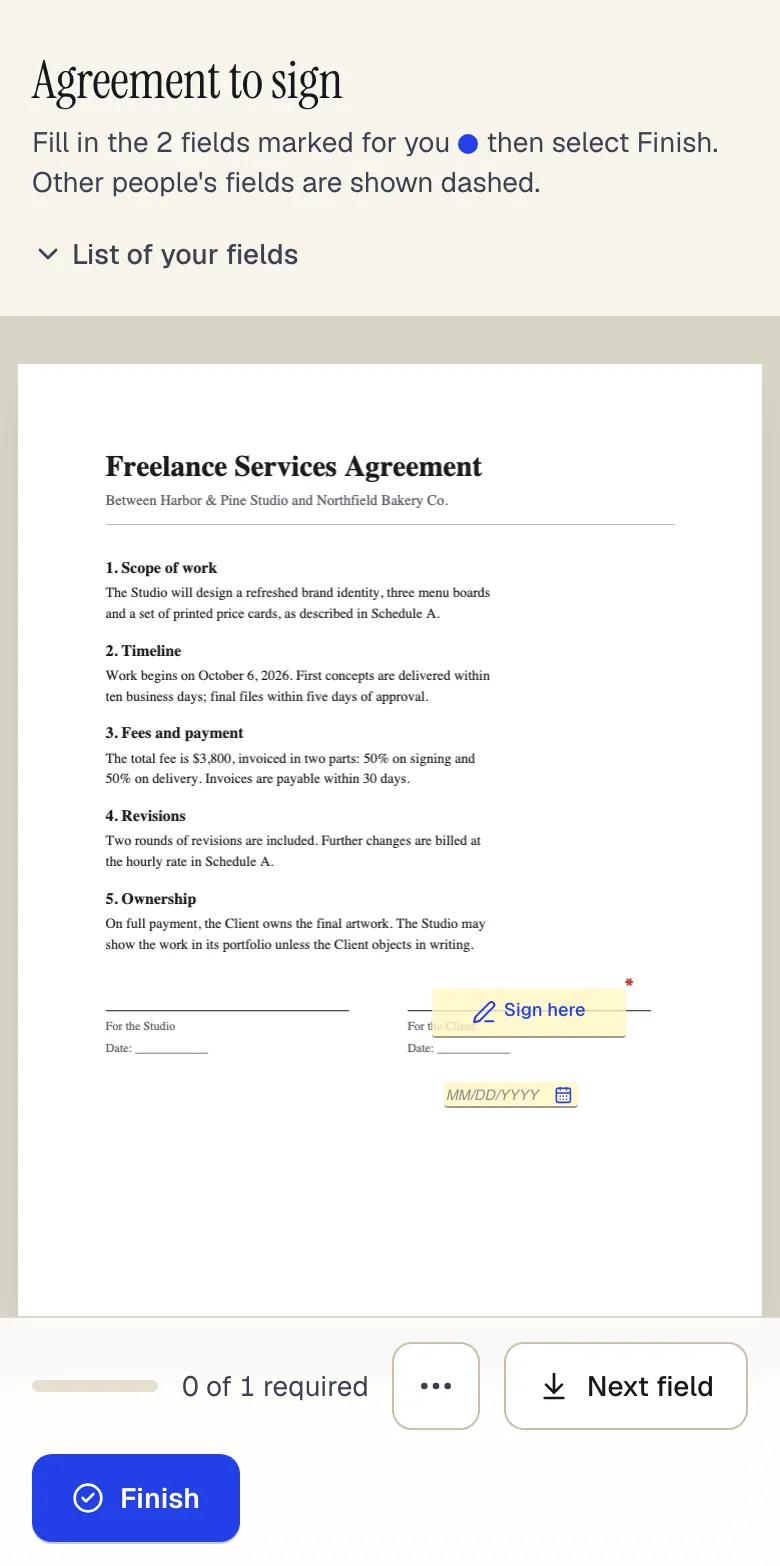
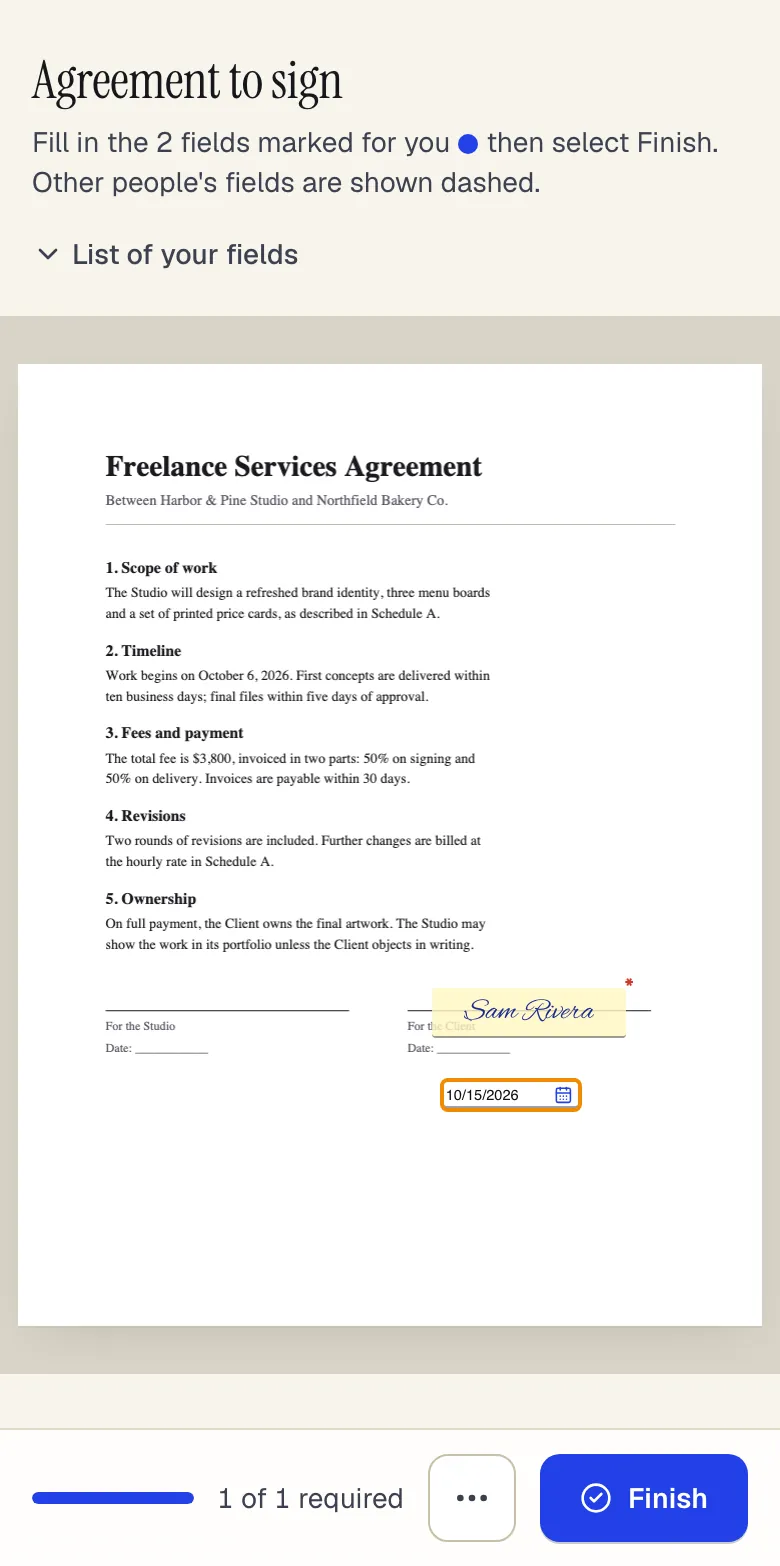
Every PDFBetter signer signs with their own cryptographic key: their browser generates an ECDSA P-256 key that never leaves the device and signs a statement binding the document's SHA-256 fingerprint to exactly what they entered, and PDFBetter's certificate authority certifies that key. Every completed PDF and its certificate of completion are digitally sealed with a PAdES signature and, when the service is reachable, independently time-stamped under RFC 3161, so any change shows in PDF readers. The evidence is built into the file: signed statements, device signatures, certificates, entered values and a hash-chained audit log of every view, consent, signature and decline with time and IP address. Signers consent to sign electronically first, the sender can require an emailed 6-digit code, and completed evidence is kept for 7 years. Signature requests are designed to the technical requirements of an advanced electronic signature (eIDAS art. 26): a unique key per signer, under their sole control, linked to the document so any change is detectable. Signers are identified by email (and an optional emailed code), not by ID documents or SMS.
Singapore's Act distinguishes ordinary electronic signatures (s. 8) from secure electronic signatures (s. 18), which must be unique to the signer, under their sole control and linked to the record so that changes invalidate them. PDFBetter doesn't claim section 18 status for its signatures: each signer signs with their own device key and the completed PDF is sealed, but signers are identified by email (and an optional emailed code), not by ID documents or SMS.
PDFBetter does not create qualified electronic signatures (QES) and does not offer SMS codes, phone authentication, knowledge-based questions or government ID checks. Its seal certificate comes from PDFBetter's own certificate authority, not a government-accredited one, and is not yet on Adobe's trust list, so Acrobat shows the seal's identity as not verified while still detecting changes. Where a law requires a qualified or accredited signature, verified identity, a notary, wet ink or a witness, use a process that provides it.
This page summarizes what the law generally says, with links to the official texts. PDFBetter is not a law firm; for an important or unusual document, check with a lawyer qualified where the document will be relied on.
What PDFBetter gives you as evidence
Every signer signs with their own cryptographic key, bound to the document’s SHA-256 fingerprint, after recorded consent and an optional emailed code. The completed PDF and certificate of completion are digitally sealed and independently time-stamped, with the hash-chained audit trail built into the file. Designed to the technical requirements of an advanced electronic signature (eIDAS art. 26); signers are identified by email (and an optional emailed code), not by ID documents or SMS. Not a qualified signature (QES).
E-signatures in Singapore: questions people ask
Can I sign a tenancy agreement electronically in Singapore?
Generally yes. Leases are not in the Act's excluded list; contracts for the sale or disposition of immovable property and conveyances are.
Can a will be signed electronically in Singapore?
No. The creation or execution of a will is excluded from the Electronic Transactions Act.
Are bills of exchange still excluded?
No. Since 2021, negotiable instruments and documents of title can be electronic transferable records under Part 2A of the Act.
What is a secure electronic signature?
A signature that, through a specified or commercially reasonable security procedure, is unique to the signer, identifies them, is under their sole control and is linked to the record so that changes would invalidate it. It benefits from presumptions under s. 19.
Does PDFBetter provide secure electronic signatures?
PDFBetter doesn't claim section 18 status. Each PDFBetter signer signs with their own cryptographic key, and every completed PDF is digitally sealed and independently time-stamped, with the evidence built into the file. Signers are identified by email (and an optional emailed code), not by ID documents or SMS, so whether a court treats a signature as secure depends on the circumstances.